
Gurgaon, India | 2026
In a development that could open a new interdisciplinary conversation between behavioural science, wearable psychology, and Indic knowledge systems, leading Astro-Numerology expert, behavioural researcher, and founder of NumroVani, Sidhharrth S Kumaar, has announced the publication of his latest research paper titled “Wristwatch as a Modern Yantra: Data-driven Evidence from a 10,000-Participant Study on Wearable Time Objects, Behavioural Patterns, and Quality of Life.” Published in the International Journal of Jyotish Research (2026, Vol. 11, Issue 5), the paper explores an unconventional but increasingly relevant question: can the objects we wear daily influence our behaviour, decision-making, and perception of life itself?
A New Lens on an Everyday Object
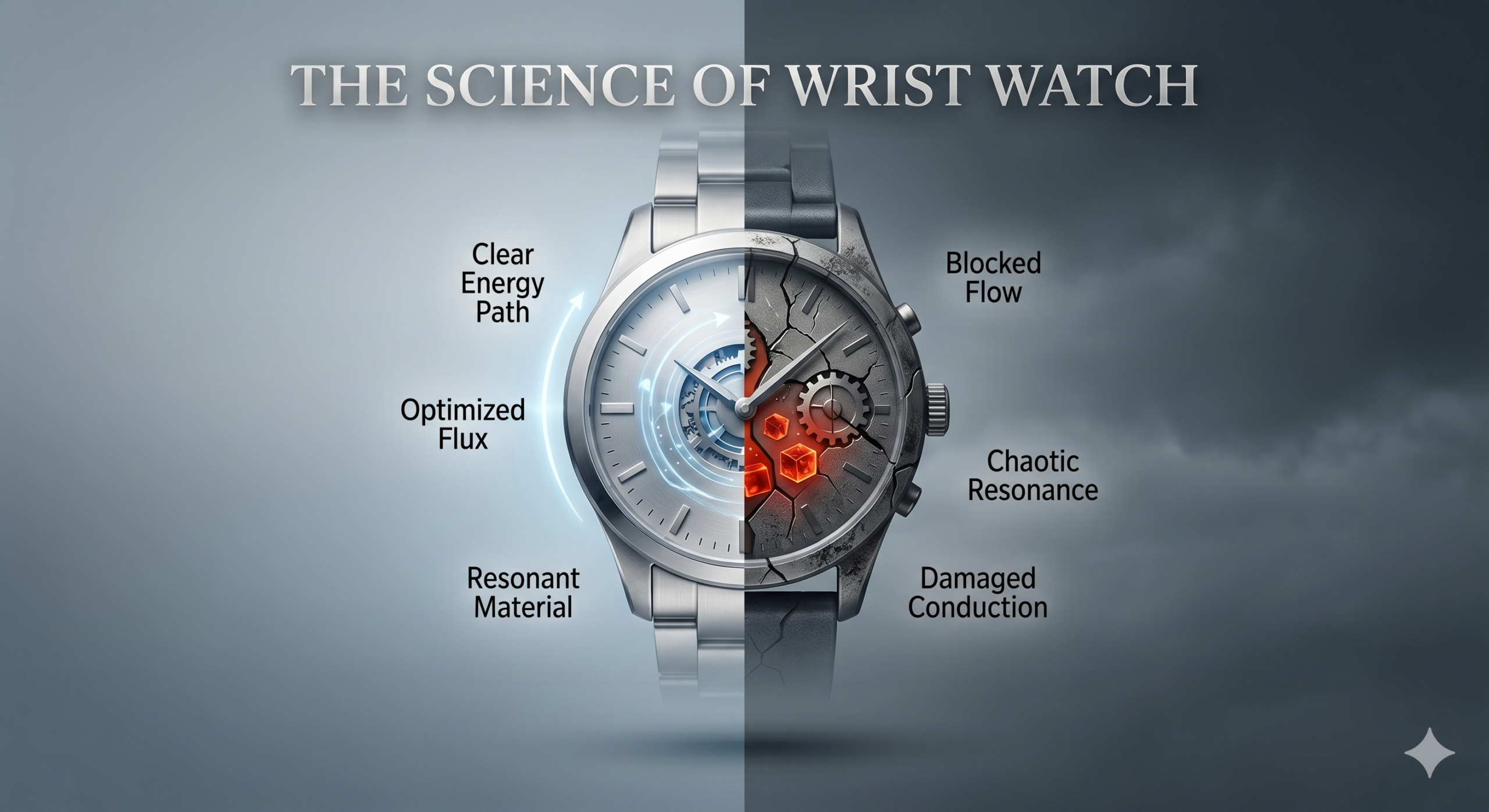
While wristwatches have traditionally been viewed as instruments of timekeeping, luxury accessories, or personal style statements, this research introduces a fundamentally different perspective. The study positions the wristwatch as a modern yantra — a consciously worn symbolic object that may function as a behavioural anchor through repeated interaction. The idea stems from the observation that most individuals engage with their wristwatch multiple times a day, making it not merely an accessory, but a recurring cognitive and behavioural touchpoint.
One of the First Structured Global Explorations in Wrist Watch Astrology
The publication is being seen as one of the earliest structured academic explorations globally in the emerging domain of Wrist Watch Analysis / Wrist Watch Astrology. While symbolic interpretations of accessories have existed informally across cultures, there has been limited attempt to frame such ideas through measurable behavioural inquiry at scale. Through this work, Sidhharrth S Kumaar attempts to create a formal bridge between symbolic alignment, behavioural science, and quality-of-life outcomes.
Study Design and Methodology
The study involved a sample size of 10,000 participants, making it one of the larger exploratory studies in this niche intersection. Participants were assigned personalized wristwatch recommendations based on factors such as date of birth, name-linked symbolic inputs, strap material, strap colour, dial geometry, and recommended wrist placement. The intervention framework combined perspectives from behavioural science, embodied cognition, symbolic design interpretation, and Indic knowledge systems, including Nadi-based concepts related to body alignment and energetic pathways. Pre- and post-intervention assessments were conducted to evaluate changes across multiple quality-of-life indicators.
Key Findings from the Research
According to the published findings, 89.7% of participants reported improvement in overall Quality of Life (QoL) following the intervention. The study also reported notable shifts in productivity consistency, decision-making clarity, emotional regulation, and relationship satisfaction. Additional cohort-based analysis revealed differences in participant responses across demographic variables such as age, gender, and profession, as well as intervention-specific factors like wrist placement and dial design. The findings suggest that repeated interaction with a symbolically personalized wearable may influence behavioural routines, emotional responses, and perception patterns over time.
Bridging Ancient Symbolism with Modern Behavioural Science
One of the distinctive aspects of this research lies in its interdisciplinary framing. Rather than positioning the concept solely within astrology or symbolic traditions, the study draws parallels with established behavioural science principles that recognise the impact of repeated cues, environmental triggers, embodied cognition, and object-based behavioural conditioning. By integrating Indic symbolic frameworks with modern behavioural inquiry, the research proposes a fresh lens through which everyday wearable objects may be understood.
Strengthening Innovation Leadership in Wrist Watch Analysis
The publication further strengthens Sidhharrth S Kumaar’s positioning as an innovator working at the intersection of traditional wisdom, behavioural research, and modern human decision science. Known for his research-led approach across astrology, numerology, AI-human interaction, and cultural cognition, this work adds a distinctive new dimension to his body of thought leadership. The concept of Wrist Watch Astrology, often discussed informally, now enters a more structured academic and research-oriented discourse.
A Larger Conversation Begins
Beyond the immediate findings, the publication raises broader questions relevant to behavioural design, wearable psychology, consumer behaviour, symbolic cognition, and personal performance frameworks. If objects that individuals repeatedly engage with can influence emotional and behavioural patterns, the implications may extend far beyond astrology into coaching, wellness, design psychology, and lifestyle interventions. This paper marks the beginning of what could become a larger global conversation around intentional wearables and symbolic behavioural tools.
About Sidhharrth S Kumaar
Sidhharrth S Kumaar is a leading Astro-Numerology expert, behavioural coach, TEDx speaker, and research-driven thought leader known for bridging traditional Indic wisdom with modern behavioural science and AI-led inquiry. With multiple research presentations at premier academic institutions, including IIMs, his work explores the intersection of astrology, numerology, cultural cognition, consumer behaviour, and human decision-making. Through NumroVani, he works with individuals and businesses on strategy, growth, and behavioural transformation.