When Peace Feels Boring and Chaos Feels Like Chemistry
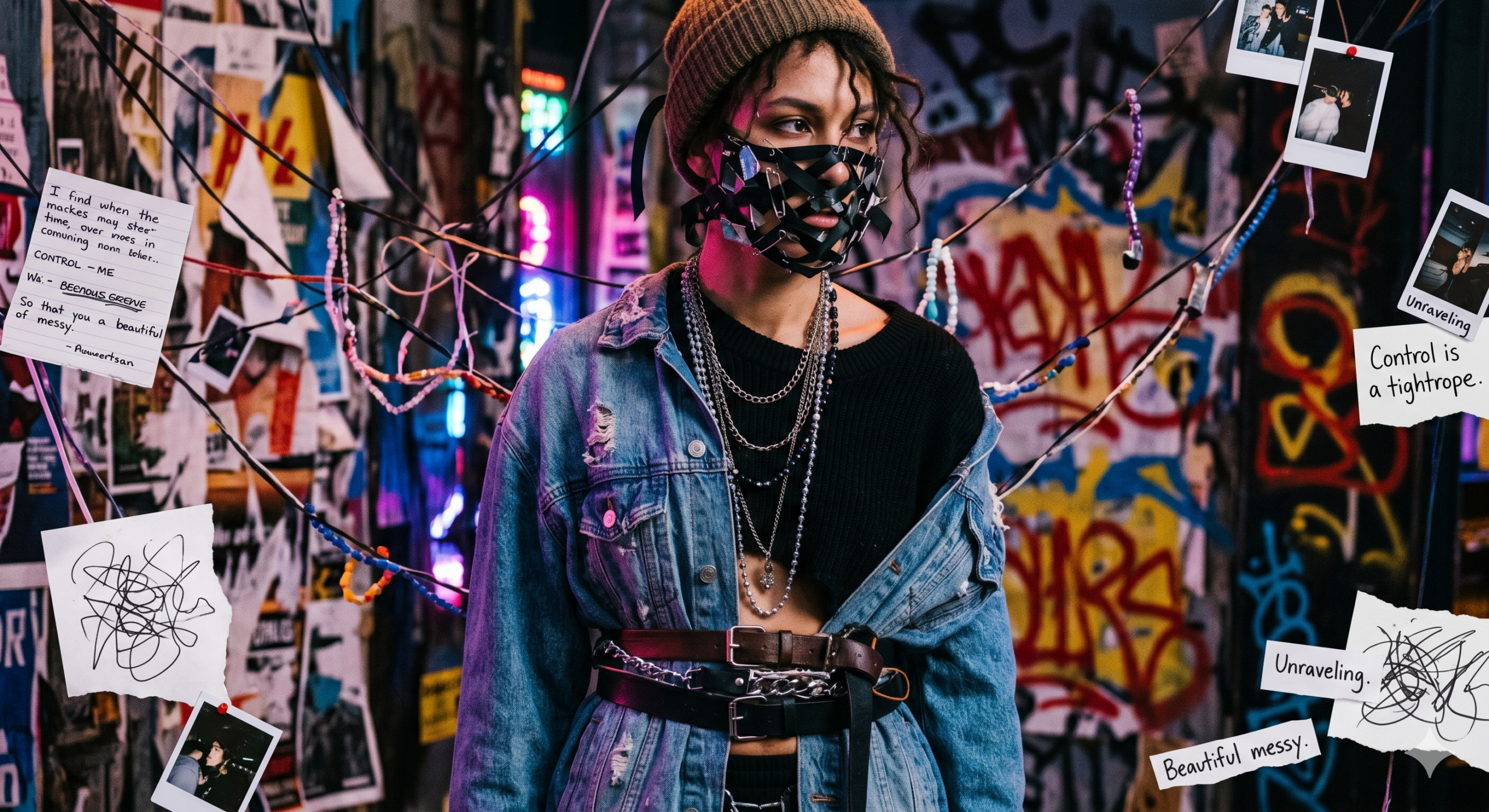
In an era of dating apps, situationships, and endless swiping, a new relationship trend is drawing attention—“chaos kink.” It describes the tendency to be attracted to emotionally turbulent, unpredictable, or high-drama relationships rather than calm, secure, and emotionally available partnerships.
While the phrase may be new, the psychology behind it is not. For decades, therapists and relationship experts have observed that many people unconsciously equate emotional intensity with love, often mistaking instability for passion.
Adding weight to this emerging conversation, the NumroVani × How India Thinks Study found that 68% of singles who are actively dating admitted being more attracted to relationships that feel emotionally intense, unpredictable, or challenging than those that appear calm and stable. The findings suggest that emotional excitement continues to outweigh emotional security for a significant proportion of modern daters.
Why the Heart Often Chooses Chaos Even When the Mind Wants Stability
One of the biggest paradoxes in relationships is that people often say they want loyalty, consistency, and commitment, yet repeatedly find themselves attracted to emotionally unavailable or unpredictable partners.
According to Sidhharrth S Kumaar, Relationship Coach,
“People don’t always choose what is healthiest for them; they often choose what feels emotionally familiar. If affection and validation were inconsistent during formative years, the subconscious may start associating emotional uncertainty with love itself.”
The human brain is wired to seek familiarity. If someone grew up experiencing conditional affection, inconsistent attention, or emotionally volatile environments, calm relationships may initially feel unfamiliar or lacking in excitement. Without realizing it, they may recreate similar emotional dynamics in adulthood because those patterns feel psychologically recognizable.
Attachment styles, unresolved emotional wounds, previous toxic relationships, and low self-worth can all reinforce this cycle, causing individuals to chase emotional intensity while consciously longing for peace.
When Nervous System Activation Gets Mistaken for Love
Not every strong emotional reaction signals genuine compatibility. In many cases, what people describe as “instant chemistry” may actually be the nervous system responding to unpredictability.
Relationships built on inconsistency often trigger anticipation, anxiety, overthinking, and obsessive emotional investment. Every text message becomes significant, every delayed response creates distress, and every moment of validation feels disproportionately rewarding.
Sidhharrth S Kumaar explains,
“Not every butterfly is a sign of romance. Sometimes those butterflies are simply your nervous system responding to uncertainty. Healthy relationships create emotional safety, while chaotic relationships create emotional dependency disguised as chemistry.”
True compatibility usually develops through consistency, mutual respect, emotional availability, and psychological safety. It may feel calmer than dramatic relationships, but it is far more sustainable over time.
Understanding this distinction is one of the most important steps toward building healthier romantic connections.
The Astrological Lens: Why Emotional Chaos Can Feel More Attractive Than Stability
Beyond psychology, astrology also offers an interesting perspective on why some individuals repeatedly gravitate toward emotionally intense and unpredictable relationships. Classical astrology associates this tendency with strong influences of Rahu, an afflicted Moon, Venus-Rahu combinations, Venus-Mars interactions, and significant activation of the 5th, 7th, or 8th houses, particularly when these factors are under malefic influence. Rahu represents obsession, novelty, illusion, and an insatiable desire for experiences beyond the ordinary, while an afflicted Moon can create emotional insecurity and a constant search for external reassurance. When these energies interact with Venus, the significator of love and attraction, relationships may become driven more by excitement, mystery, and emotional intensity than by compatibility and stability.
According to Sidhharrth S Kumaar, Relationship Coach and Astro-Numerologist, “A horoscope does not predetermine toxic relationships, but it can indicate behavioural patterns that influence attraction. Strong Rahu-Venus or Rahu-Moon combinations often make individuals seek novelty and emotional intensity, causing unpredictability to feel exciting while consistency may initially feel uneventful. Astrology highlights the pattern, but awareness and conscious choices determine the outcome.”
The current collective planetary environment may also be amplifying this phenomenon. Rahu’s transit through Aquarius and Ketu’s transit through Leo until late 2026 symbolically encourage unconventional social connections, digital interactions, experimentation, and breaking away from traditional relationship norms. In a world dominated by dating apps, instant validation, and endless choices, these energies can intensify the attraction toward novelty and emotional stimulation. When combined with modern technology and the dopamine-driven nature of online dating, the line between genuine compatibility and emotional excitement can become increasingly blurred.
From both an astrological and psychological perspective, the message remains the same: the most fulfilling relationships are rarely built on uncertainty. They are built on emotional security, trust, consistency, and conscious partnership. Astrology may explain the tendency, but personal growth and emotional awareness remain the true remedies for transforming attraction patterns.
How Modern Dating Culture Is Reinforcing Emotional Chaos
While emotionally turbulent relationships have existed throughout history, today’s dating ecosystem may be amplifying them.
Dating apps expose individuals to endless choices, intermittent validation, ghosting, breadcrumbing, and inconsistent communication patterns. These experiences activate dopamine reward pathways, where unpredictable rewards become more psychologically compelling than consistent ones.
Social media further romanticizes emotional extremes through stories of dramatic breakups, toxic reconciliations, and rollercoaster romances, often portraying chaos as evidence of deep passion.
The NumroVani × How India Thinks Study reflects this shift, revealing that 68% of actively dating singles showed a preference for emotionally intense or unpredictable relationship dynamics over stable and secure connections. The findings suggest that while people aspire to long-term commitment, subconscious attraction continues to favor excitement over emotional regulation.
According to Sidhharrth S Kumaar,
“Technology didn’t create emotional chaos, but it has accelerated access to it. Digital dating often rewards unpredictability with attention, making inconsistency appear attractive while emotional stability is sometimes misinterpreted as boredom.”
The Long-Term Emotional Cost of Chasing Uncertainty
Living in constant emotional turbulence comes at a price.
Repeated exposure to unpredictable relationships can gradually increase anxiety, reduce self-esteem, create emotional exhaustion, and make trusting future partners increasingly difficult. Many individuals become trapped in repetitive cycles of conflict and reconciliation, confusing relief after emotional pain with intimacy itself.
Over time, the nervous system adapts to chaos, making healthy relationships feel unfamiliar and emotionally “flat.”
Sidhharrth S Kumaar observes,
“When chaos becomes your comfort zone, peace starts feeling unfamiliar. The greatest cost isn’t only heartbreak—it’s slowly losing the ability to recognize healthy love when it finally appears.”
The pattern becomes particularly harmful when emotional instability begins affecting mental health, career performance, friendships, physical well-being, or personal identity. Relationships should encourage growth and security, not perpetual emotional survival.
Rewiring Attraction Toward Secure and Healthy Love
The encouraging reality is that attraction patterns are learned—and what is learned can also be unlearned.
Healing begins with recognizing recurring relationship patterns instead of repeatedly blaming circumstances or partners. Developing self-awareness, understanding attachment styles, strengthening self-worth, and processing unresolved emotional experiences can gradually reshape romantic preferences.
Experts also recommend slowing the pace of dating, allowing consistency and trust to develop before assigning emotional significance to intensity.
According to Sidhharrth S Kumaar,
“Instead of asking whether someone gives you butterflies, ask whether they give you peace. Sustainable love isn’t built on adrenaline; it grows through trust, reliability, emotional safety, and mutual respect. Choosing consistency repeatedly allows both the heart and nervous system to redefine what attraction truly means.”
Therapy, mindfulness practices, healthy boundaries, emotional regulation techniques, and conscious dating choices can all support this transformation, helping individuals move from survival-based attraction toward secure emotional connection.
Redefining Romance for a New Generation
The growing discussion around “chaos kink” reflects a larger cultural shift in how people understand love and attraction.
Emotional intensity may create memorable experiences, but research and relationship experts consistently suggest that lasting partnerships thrive on stability, communication, vulnerability, trust, and emotional security.
As awareness around attachment psychology grows, more singles are beginning to recognize that the strongest relationships are not necessarily the most dramatic. They are the ones where authenticity replaces anxiety, consistency replaces confusion, and peace is no longer mistaken for boredom.
Perhaps the future of modern dating lies not in chasing emotional chaos, but in learning that the deepest form of chemistry is the one that allows both people to feel safe enough to simply be themselves.
Frequently Asked Questions (FAQ)
What is chaos kink in dating?
Chaos kink refers to a tendency to feel more attracted to emotionally unpredictable, high-conflict, or unstable relationships than to calm, secure, and emotionally available partnerships. It is often linked to attachment patterns and emotional conditioning rather than a conscious preference for unhealthy relationships.
Why do some people find chaotic relationships more attractive?
People often gravitate toward what feels familiar. If inconsistency or emotional unpredictability was part of their early life experiences, their brain may associate those patterns with love and intimacy, making stable relationships initially feel unfamiliar or less exciting.
How can you tell the difference between chemistry and emotional chaos?
Healthy chemistry creates trust, emotional safety, and consistent communication over time. Emotional chaos, on the other hand, is marked by anxiety, uncertainty, mixed signals, obsessive thinking, and repeated emotional highs and lows that keep the nervous system activated.
Are dating apps contributing to the rise of chaos kink?
Dating apps can amplify chaotic dating patterns through ghosting, breadcrumbing, inconsistent communication, and intermittent validation. While they do not create emotional chaos, they can reinforce attraction toward unpredictability for individuals with existing attachment vulnerabilities.
What are the long-term effects of staying in chaotic relationships?
Persistent emotional turbulence can contribute to anxiety, low self-esteem, emotional burnout, trust issues, difficulty forming secure attachments, and reduced overall mental well-being. Over time, individuals may normalize instability and struggle to recognize healthy relationship dynamics.
Can someone overcome an attraction to emotional chaos?
Yes. Through self-awareness, therapy, understanding attachment styles, emotional regulation, mindfulness, and intentional dating practices, people can gradually shift their attraction toward emotionally secure and healthier relationships.
What does research say about this dating trend?
According to the NumroVani × How India Thinks Study, 68% of singles who are actively dating reported a preference for emotionally intense or unpredictable relationships over calm and stable ones, suggesting that emotional excitement often continues to influence partner selection more strongly than emotional security.
What is the first step toward building a healthier relationship?
The first step is recognizing recurring relationship patterns and understanding that emotional intensity is not always a sign of compatibility. Prioritizing consistency, respect, communication, and emotional safety over excitement can help build stronger and more fulfilling long-term relationships.