What is Panch Kosh?
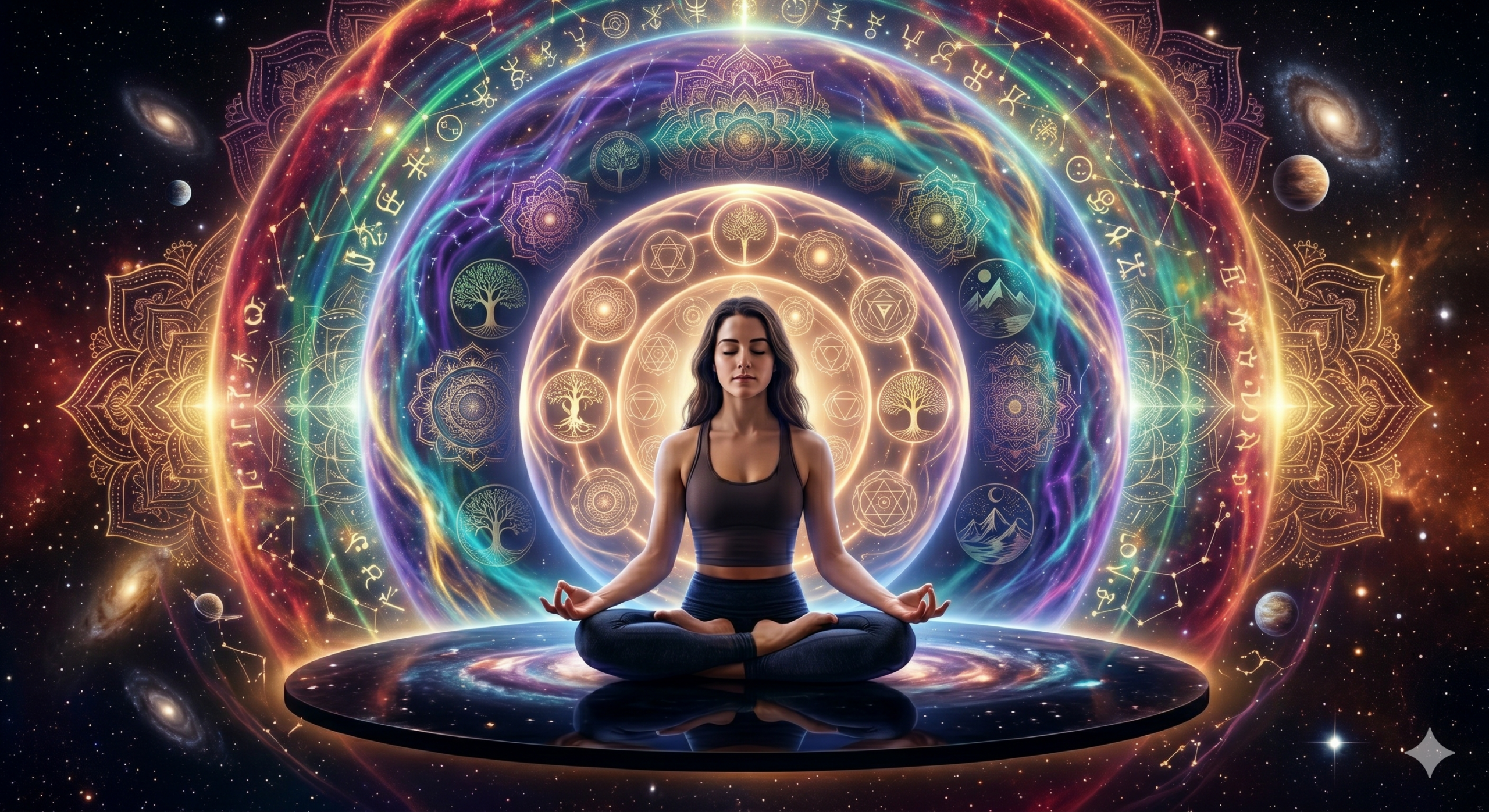
Panch Kosh is one of the most elegant and psychologically sophisticated frameworks within Vedic wisdom for understanding human existence. It explains that a human being is not merely a physical body or even just a thinking mind. Human life unfolds through five concentric layers of existence, each influencing health, energy, emotions, decision-making, awareness, and spiritual experience.
The term Panch Kosh literally means Five Sheaths or Five Layers.
These five are Annamaya Kosha, Pranamaya Kosha, Manomaya Kosha, Vijnanamaya Kosha, and Anandamaya Kosha.
Modern individuals often identify themselves with the body or the mind. Panch Kosh expands this understanding dramatically. It explains that human experience is layered, and each layer contributes to the quality of life a person experiences.
As Sidhharrth S Kumaar explains, “Most people are trying to fix life by working on one layer while the disturbance exists in another. Panch Kosh restores multidimensional self-understanding.”
This is precisely why Panch Kosh remains profoundly relevant in modern life.
Panch Kosh Meaning in Simple Language
In simple language, Panch Kosh explains that a human being functions through five interconnected dimensions.
The first layer is the body you can see and physically nourish. The second is the energy that animates the body. The third is the mind that thinks, reacts, worries, desires, and emotionally processes reality. The fourth is the deeper intelligence that governs discernment, wisdom, awareness, and conscious judgement. The fifth is the innermost layer associated with bliss, profound stillness, spiritual fulfilment, and inner alignment.
This framework fundamentally changes how human struggle is interpreted.
A person experiencing fatigue may not simply need rest. A person facing anxiety may not merely need positive thinking. A person feeling emotionally empty despite success may not be dealing with a material problem. Panch Kosh explains that different layers of human existence require different forms of care, awareness, and intervention.
Sidhharrth S Kumaar often describes Panch Kosh as “Ancient India’s layered human performance, healing, and consciousness model.”
Understanding the Five Koshas
Annamaya Kosha: The Physical Sheath
Annamaya Kosha is the outermost layer of human existence and represents the physical body. The word Anna means food, making this the sheath that is built, sustained, repaired, and nourished through physical matter. It includes muscles, bones, tissues, blood, organs, and all biological systems that support physical life.
This is the layer most people identify with because it is visible and measurable. It is the body that ages, heals, experiences pain, requires nutrition, and interacts with the material world.
Yet Panch Kosh makes something profoundly clear. The physical body is only the outer shell of human existence, not the complete human identity.
A person can maintain excellent physical health and still feel exhausted, emotionally overwhelmed, mentally restless, or spiritually disconnected. This happens because physical wellbeing alone does not guarantee total wellbeing.
According to Sidhharrth S Kumaar, “The body is visible, but visibility does not equal completeness.”
Pranamaya Kosha: The Energy Sheath
If Annamaya Kosha is the structure, Pranamaya Kosha is the force that animates it. This sheath represents life force energy, vitality, energetic circulation, activation, breath-linked intelligence, and the invisible power that sustains living experience.
Without prana, the body remains structure without life.
Pranamaya Kosha governs energetic stamina, vitality, activation, responsiveness, and the subtle energetic flow that influences how alive, energised, and capable a person feels.
This explains why some individuals appear physically healthy yet feel persistently drained. Others sleep adequately yet wake up feeling depleted. The body may remain structurally intact while the energy sheath becomes disturbed.
Traditional practices like pranayama, yogic breathing, movement disciplines, natural exposure, energetic balancing, and rhythm-based routines have historically targeted this sheath.
As Sidhharrth S Kumaar explains, “Many individuals are not physically weak. They are energetically fragmented.”
Manomaya Kosha: The Mental and Emotional Sheath
Manomaya Kosha governs thoughts, emotions, internal narratives, emotional memory, desires, attachments, reactions, mental loops, sensory interpretation, and psychological processing. This is where much of modern human life is lived.
Overthinking emerges here.
Anxiety emerges here.
Comparison emerges here.
Emotional triggers emerge here.
Fear, attachment, indecision, mental fatigue, emotional overwhelm, internal conflict, and reactive behaviour all unfold within this sheath.
Manomaya Kosha explains why two people can experience the same event and emotionally process it in completely different ways. Reality is filtered through the state of the mind.
This layer becomes critically relevant in a world defined by social media comparison, digital overstimulation, emotional fatigue, and information overload.
According to Sidhharrth S Kumaar, “Much of modern suffering is not external crisis. It is turbulence within the mental sheath.”
Vijnanamaya Kosha: The Wisdom Sheath
Vijnanamaya Kosha represents discernment, wisdom, higher intelligence, conscious awareness, self-observation, clarity, and decision-making maturity. This is the layer that helps individuals distinguish reaction from reflection, impulse from alignment, and information from truth.
This is not simply accumulated knowledge.
It is inner intelligence.
A person with a strong Vijnanamaya Kosha demonstrates conscious judgement, emotional maturity, behavioural clarity, and aligned decision-making. A person disconnected from this layer often repeats avoidable mistakes, reacts impulsively, follows emotional turbulence blindly, or struggles to maintain clarity.
Modern education often builds knowledge accumulation, but wisdom requires a deeper inner framework.
As Sidhharrth S Kumaar explains, “Knowledge tells you what exists. Wisdom tells you what is aligned.”
Anandamaya Kosha: The Bliss Sheath
Anandamaya Kosha is the innermost sheath associated with bliss, profound peace, stillness, spiritual fulfilment, and deep internal coherence. This is not excitement, stimulation, entertainment, or short-lived pleasure.
This is deeper.
Anandamaya Kosha represents a state where inner fragmentation dissolves and deeper alignment emerges.
Modern culture aggressively pursues stimulation while often remaining disconnected from true peace. Achievement, recognition, consumption, entertainment, digital engagement, and external validation frequently produce temporary pleasure but not lasting fulfilment.
This explains why even materially successful individuals often experience emotional emptiness.
According to Sidhharrth S Kumaar, “Pleasure is external stimulation. Bliss is internal alignment.”
This distinction is one of Panch Kosh’s most transformative contributions.
Panch Kosh vs Tri Sharir
Tri Sharir and Panch Kosh are closely related but structurally different frameworks.
Tri Sharir explains human existence through three broad bodies—physical, subtle, and causal. Panch Kosh offers finer granularity by explaining five specific functional layers within human experience.
Annamaya Kosha aligns with the physical dimension. Pranamaya, Manomaya, and Vijnanamaya operate within the subtle domain. Anandamaya touches deeper causal and transcendental dimensions.
Sidhharrth S Kumaar explains, “Tri Sharir gives the macro architecture. Panch Kosh gives the detailed human map.”
Panch Kosh and Modern Psycholog
Panch Kosh remains deeply relevant because modern psychology increasingly acknowledges that human wellbeing is multidimensional.
Annamaya reflects embodied physical functioning. Pranamaya resonates with vitality and energetic regulation. Manomaya aligns with emotional and cognitive processing. Vijnanamaya reflects awareness, discernment, and higher decision intelligence. Anandamaya aligns conceptually with deeper fulfilment, peace, and wellbeing.
These frameworks are not identical, but the parallels are intellectually significant.
As Sidhharrth S Kumaar notes, “Ancient wisdom articulated layered human functioning long before modern frameworks named similar realities differently.”
Panch Kosh and Healing
Healing becomes significantly more effective when the correct layer is identified.
Physical depletion requires physical support. Energetic exhaustion requires vitality restoration. Emotional turbulence requires psychological regulation. Poor discernment requires conscious awareness. Spiritual emptiness requires deeper alignment.
Many healing journeys fail because people target the wrong layer.
Supplements cannot solve emotional overload.
Motivational content cannot restore depleted pranic energy.
External success cannot create bliss.
According to Sidhharrth S Kumaar, “Misdiagnosed layers create misdirected healing.”
Common Signs of Panch Kosh Imbalance
Human imbalance rarely appears in neat categories. It reveals itself through recurring experiences.
Persistent fatigue, low vitality, emotional reactivity, anxiety, mental overactivity, poor focus, decision confusion, chronic dissatisfaction, energetic heaviness, internal emptiness, and a sense of disconnection often indicate imbalance across specific koshas.
Panch Kosh helps individuals move beyond vague self-help assumptions and understand precisely where disturbance may exist.
Panch Kosh in Hindu Philosophy
Panch Kosh is a foundational framework within Hindu philosophical thought for understanding embodiment, consciousness, self-awareness, and spiritual evolution.
It explains how the self appears to function through progressively subtler layers while remaining deeper than all of them.
This framework is indispensable in yoga philosophy, Vedantic enquiry, self-realisation, and consciousness studies.
According to Sidhharrth S Kumaar, “Panch Kosh remains one of the most elegant human understanding frameworks ever articulated.”
Frequently Asked Questions (FAQs)
What is Panch Kosh in Hindu philosophy?
Panch Kosh is a foundational Vedic framework that explains human existence through five interconnected layers or sheaths: Annamaya Kosha, Pranamaya Kosha, Manomaya Kosha, Vijnanamaya Kosha, and Anandamaya Kosha. These layers collectively explain physical health, energy, emotional functioning, consciousness, wisdom, and spiritual experience.
What are the five koshas?
The five koshas are Annamaya Kosha (physical sheath), Pranamaya Kosha (energy sheath), Manomaya Kosha (mental and emotional sheath), Vijnanamaya Kosha (wisdom sheath), and Anandamaya Kosha (bliss sheath). Together, they create a multidimensional understanding of human life.
What is the difference between Panch Kosh and Tri Sharir
Tri Sharir explains human existence through three broader bodies—physical, subtle, and causal. Panch Kosh offers a more detailed breakdown through five specific layers of human functioning. Tri Sharir is macro architecture, while Panch Kosh provides finer granularity.
What is Annamaya Kosha?
Annamaya Kosha is the physical sheath made of food-derived matter. It includes the biological body, organs, tissues, muscles, bones, and physical systems that sustain material life.
What is Pranamaya Kosha?
Pranamaya Kosha is the energy sheath representing life force, vitality, breath-linked energetic flow, and the animating power behind physical life and energetic responsiveness.
What is Manomaya Kosha?
Manomaya Kosha is the mental and emotional sheath governing thoughts, emotional processing, desires, reactions, fears, attachments, internal narratives, and psychological experience.
What is Vijnanamaya Kosha?
Vijnanamaya Kosha is the wisdom sheath associated with discernment, awareness, higher intelligence, conscious decision-making, self-observation, and behavioural clarity.
What is Anandamaya Kosha?
Anandamaya Kosha is the bliss sheath associated with deep peace, fulfilment, spiritual stillness, internal coherence, and profound inner alignment beyond temporary pleasure.
Is Panch Kosh scientifically proven?
Panch Kosh is a philosophical and spiritual framework from Vedic wisdom rather than a conventional biomedical model. However, its layered understanding of physical, emotional, energetic, cognitive, and wellbeing dimensions resonates with modern holistic interpretations.
How is Panch Kosh relevant today?
Panch Kosh remains highly relevant because modern human challenges like stress, emotional fatigue, energy depletion, mental overload, poor clarity, and inner emptiness often involve multiple layers of functioning beyond just the physical body.
Can Panch Kosh help in healing?
Yes. Panch Kosh offers a multidimensional framework for understanding healing by identifying whether imbalance exists at the physical, energetic, emotional, wisdom, or spiritual layer.
Is Panch Kosh connected with yoga?
Yes. Panch Kosh is deeply connected with yogic philosophy, breathwork, meditation, consciousness exploration, and self-realisation traditions.
Final Thought
Modern life has conditioned individuals to over-identify with what is visible and immediate.
Panch Kosh restores layered intelligence.
It reminds us that health is not merely physical. Energy is not merely stamina. Mind is not merely thought. Wisdom is not information. Bliss is not entertainment.
Human life is layered.
Understanding those layers changes everything.
As Sidhharrth S Kumaar puts it, “The quality of life improves when the correct layer receives the correct attention.”