Released on the occasion of National Tourism Day (January 25), NumroVani’s longitudinal “How India Thinks Study 2026” captures how travel behaviour across India is evolving at scale. Conducted between January 1 to December 31, 2025, with a sample size of 50,000+ respondents across metros, Tier 1, Tier 2 and emerging regions, the study decodes not just where India travels, but how and why those decisions are changing.
Study Methodology and the 4-Year Behavioural Lens
This report is part of NumroVani’s ongoing “How India Thinks” longitudinal study, now in its fourth year of tracking behavioural shifts across lifestyle, health, finance, spirituality, and decision-making patterns. The 2025 edition is built on structured surveys and trend comparisons over time, allowing year-on-year movement to be captured rather than one-time insights.
This continuity is critical. It is what highlights real behavioural change. For instance, openness toward solo or stranger-based travel has moved from 32% last year to 54% this year, clearly indicating a structural shift rather than a temporary spike.
Travel is Becoming a Quarterly Lifestyle, Not an Annual Event
One of the strongest signals from the study is frequency. Travel is no longer occasional. It is becoming habitual.
82% of people in Metro and Tier 1 cities now prefer to take at least one trip every quarter. This reflects a shift where travel is being integrated into lifestyle cycles. Hybrid work models, rising burnout awareness, and higher disposable incomes are driving this pattern. Travel is no longer an escape. It is becoming maintenance.
Popular Destinations Are Losing Their Pull
India’s most loved destinations are facing a silent decline in emotional value.
78% of respondents said that destinations they once preferred no longer excite them the same way. This is not just fatigue. It is a combination of overcrowding, over-commercialization, and environmental degradation.
Repeat travel is reducing. Exploration is rising. Familiarity is no longer enough.
Less Crowded is the New Luxury
Over-tourism is changing preferences in a visible way.
82% of respondents said they now prefer less crowded and lesser-known destinations. Calm, quiet, and immersive experiences are becoming the new definition of premium travel.
This shift is particularly strong among millennials, who increasingly associate crowded destinations with compromised experiences rather than social validation.
Coastal and Mountain Regions Are Under Maximum Stress
The study highlights that coastal regions and mountain destinations are the most affected by the combined pressure of climate change and increased tourism.
These regions are facing both environmental strain and declining experience quality. Travellers are responding by either shifting to alternative locations or becoming more selective about timing.
Travel Timing is Becoming a Strategic Decision
Vacations are no longer planned just around holidays or convenience. They are being planned around outcomes.
With rising travel costs, expectations have increased. A single disruption can impact the entire perception of a trip. This is why travellers are actively researching weather patterns and choosing time windows that maximize experience quality.
78% People are preferring to consult an astrologer before making a travel decision and do consult to ask around about places to travel, time to travel, and others.
International Travel is Moving from Aspiration to Intent
Indian travellers are thinking beyond borders with greater clarity.
72% of respondents are inclined to take at least one international trip in the next 12 months. This marks a shift from aspiration to planning.
International travel is no longer a once-in-a-lifetime milestone. It is becoming a medium-term goal for a large section of Indian travellers.
Purpose-Led Travel is Becoming Dominant
Travel is no longer only about leisure. It is increasingly about purpose.
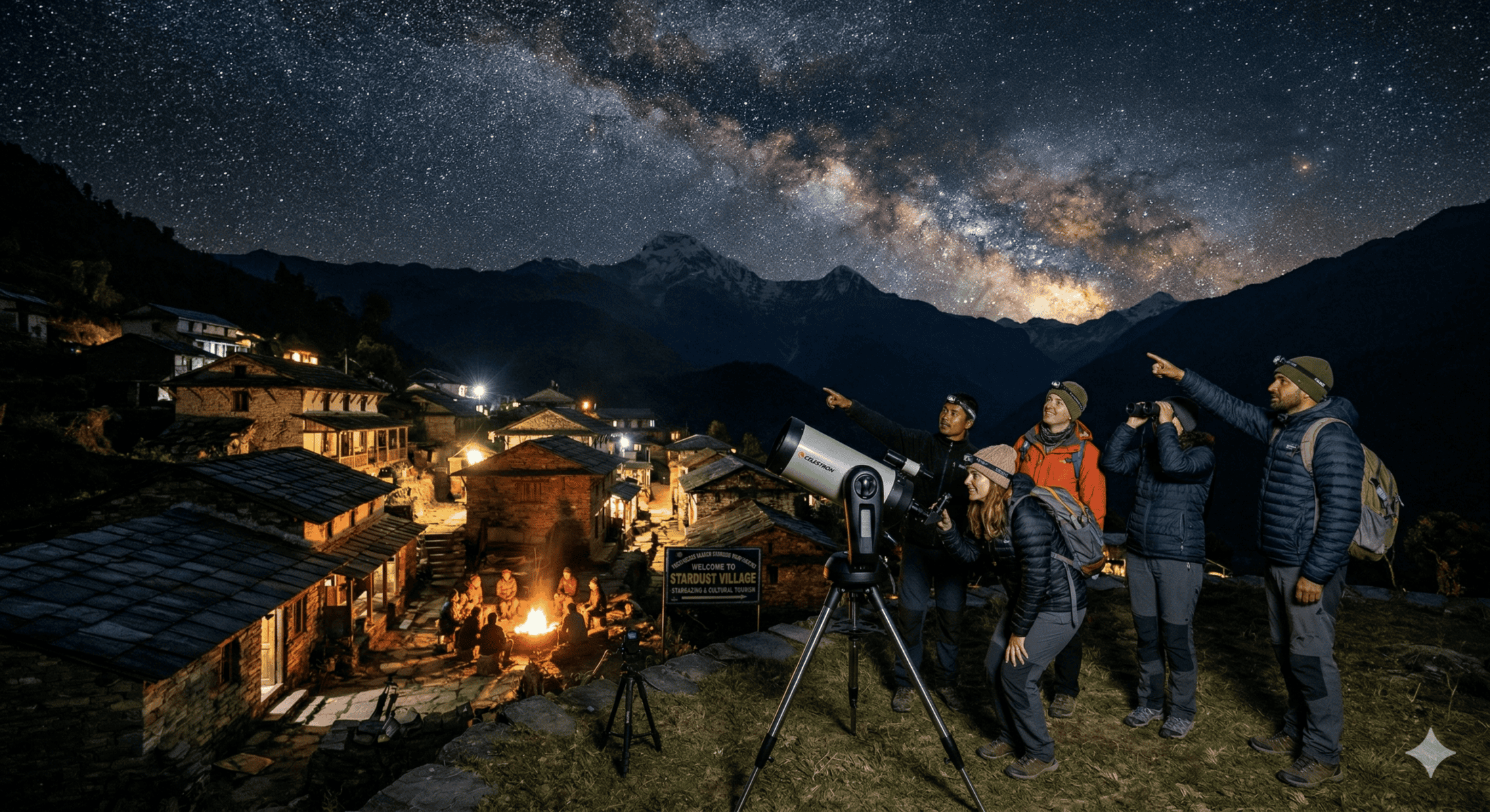
68% of respondents indicated a preference for purpose-driven travel, including wellness travel, village experiences, and stargazing journeys.
This reflects a deeper behavioural shift. People are using travel for healing, self-reflection, and meaningful engagement. The destination matters less than what the experience delivers.
Solo Travel and Stranger-Based Travel is Rising Fast
One of the most significant behavioural changes is in how people are choosing to travel.
54% of respondents are now open to solo travel or travelling with strangers, a sharp increase from 32% in the previous year.
This signals a breakdown of traditional travel structures. Independence, digital trust, and curated group platforms are enabling people to step outside family-led travel formats. This trend is likely to accelerate further.
Experience is Replacing Destination Loyalty
A clear pattern emerges across all findings. Travellers are no longer loyal to destinations. They are loyal to experiences.
Whether it is peace, adventure, spirituality, or exploration, the outcome is driving the decision. This explains the rise of offbeat locations and purpose-driven travel formats.
Travel is Now an Investment Decision
Travel is increasingly being treated as an investment of time, money, and expectation.
With higher costs involved, tolerance for disruption has reduced. Travellers are planning more, researching more, and expecting more. This is leading to a shift toward curated experiences, flexible planning, and better-informed decisions.
Climate Change is Now a Core Travel Decision Factor
Climate has moved from background noise to the centre of planning.
68% of respondents reported that changing weather patterns impacted their travel plans in the last 12 months. Unpredictable rainfall, extreme temperatures, floods, and environmental disruptions are forcing travellers to rethink both destinations and timing.
Travel decisions are now being optimized around predictability. People are actively choosing windows that reduce risk, even if it means compromising on peak-season appeal.
New Indian Traveller Archetypes Are Emerging
The data points toward the emergence of clear traveller segments:
- The Quarterly Urban Traveller
- The Aspiring Global Traveller
- The Purpose Seeker
- The Independent Explorer
These are not just categories. They represent how Indian travel demand is becoming more structured and predictable.
What This Means for the Travel Ecosystem
The implications are clear. This is not a temporary trend. It is a structural shift.
Travel in India is becoming more frequent, more intentional, more experience-driven, and more open to new formats. This opens up opportunities for:
- Offbeat and emerging destinations
- Purpose-led travel experiences
- Wellness, rural, and niche travel formats
- Community and solo travel platforms
- Flexible and climate-aware travel services
Final Thought
India is not traveling less. It is travelling differently.
From quarterly trips to international intent, from crowded hotspots to quiet experiences, and from family travel to solo exploration, every layer of travel behavior is evolving. The next decade of Indian travel will not be defined by destinations. It will be defined by decisions.
Media and Research Access
For exclusive data cuts, regional insights, age-wise or profession-wise break ups, or expert commentary, media teams may write to the NumroVani Research Desk. Media queries and interviews are available on request. Extended datasets and analysis are shared selectively with editors and researchers.