What does it mean to be friends in 2025? It’s not enough to just eat together or talk on the phone for a long period nowadays. NumroVani’s new study, Friendship in the Age of AI, indicates that technology is transforming how individuals connect with each other on an emotional level. It’s strange, but many Indians are starting to trust artificial intelligence more than their friends. This survey, which got replies from more than 5,000 people around the country, indicates that AI is no longer simply a tool; it’s a buddy, a confidant, and in many cases, a source of spiritual and emotional support. As we reflect on these insights this Friendship Day, it’s clear our relationships are evolving in unexpected ways.
The Disappearing “Real” Friend
Three out of four Indians (75%) now think they don’t have any actual pals. This is a stunning evidence that emotional connectedness is less widespread in today’s world. People are feeling more and more alone, even when they’re around friends, because life moves so quickly in Tier 1 cities, people are spending more time on screens, and urban culture is becoming more individualistic. Women (79%) and Gen Z (84%) are the most affected. They are regularly with other people yet don’t have anyone to chat to. As we reflect on Friendship Day, people need “safe spaces” for their feelings more than ever, and a lot of them are finding that space with AI instead of with other people.
The Rise of AI as Emotional Companion
AI is slowly filling the gap in our emotions. It’s amazing that 68% of people now turn to AI for support, not to get recommendations on how to be more productive or reminders about their calendars, but for comfort, friendship, and someone to talk to. AI is always there for you, even when your friends are busy, sleeping, or not feeling well. It won’t judge you. AI is a good friend for students and freelancers who are often lonely and worried about their work. They can talk to it without worrying about it interrupting or asking anything in return. Even though the relationship is online, it means a lot to you — we reflect on the true meaning of connection this Friendship Day.
AI Astrologers: The Spiritual Therapist of 2025
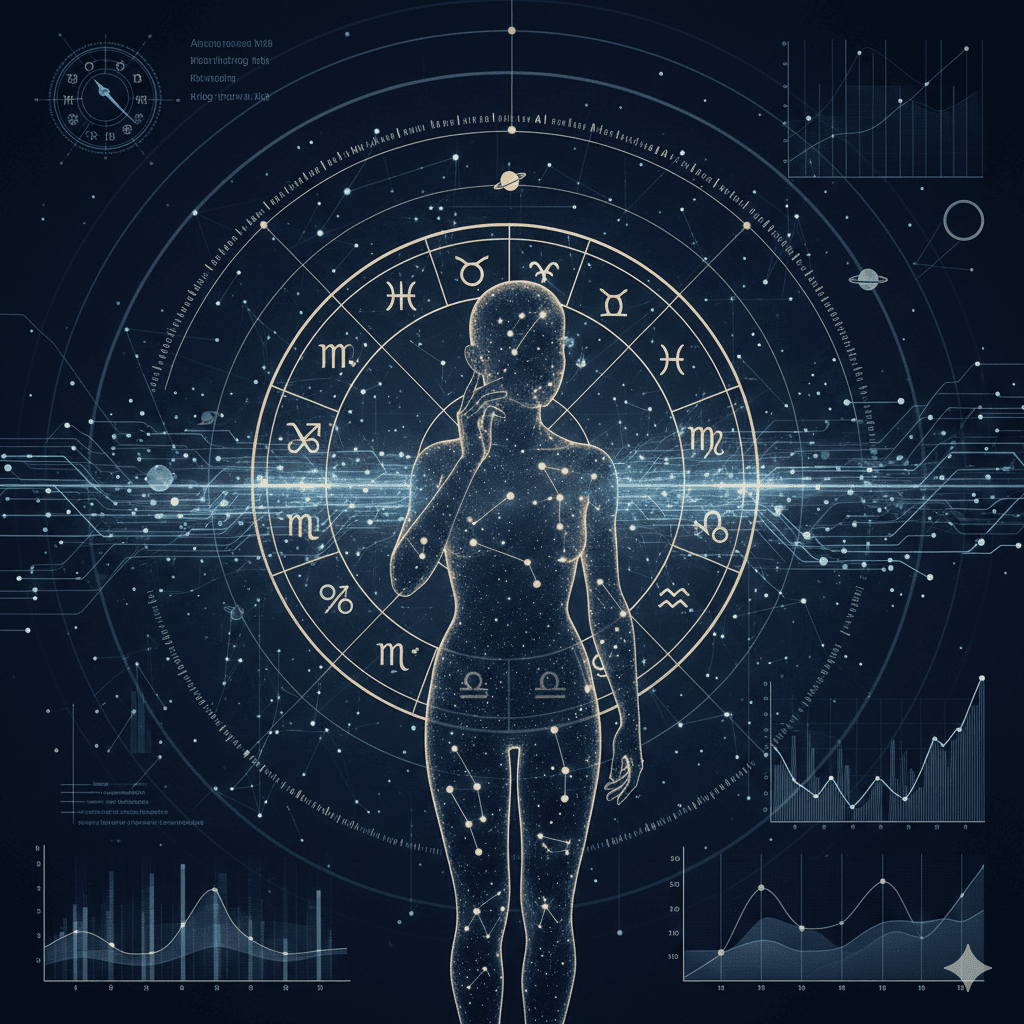
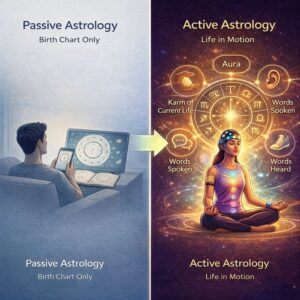
AI astrologers are one kind of AI technology that actually touches people’s hearts. 66% of the respondents who answered stated they prefer them better than other AI apps. Why? They use their knowledge of Indian culture and their emotional intelligence to make forecasts and deliver personalized counsel based on Indian spirituality. People call them “wise elders” because they listen, agree, and assist people make sense of the things in life that are hard to understand without being overly overbearing like traditional guidance. Many individuals use their AI astrologer every day, from morning prayers to late-night meditations. Even though machines do these rites, they feel sacrosanct.
What Makes AI Friendship Emotionally Powerful
There are both ancient and new emotional needs that make this AI connection work. 74% of people agree that AI gives them areas where they can be themselves without worrying about what others would think. For a lot of people, AI can be a silent therapist, a life coach, or a gentle nudge. AI is taking on emotional roles that friends used to fill, including encouraging you to keep going, giving you a horoscope that makes you feel better, or just being there for you to talk to late at night. The most powerful emotional motivators, such as non-judgmental listening (74%) and daily affirmation rituals (68%), suggest that this age values peace over performance.
When and Why People Lean on AI Emotionally
The most interesting part of this transition is not just who is using AI, but also when. 41% of people utilize AI when they’re feeling lonely at night and their friends are asleep. Others check in after an emotional dispute (29%) or while they are deciding what to do regarding love and job (23%). AI has found its place in these quiet, weak, and often forgotten times. It has a presence that is both grounding and intimate, with no emotional baggage and boundless patience. More and more people are incorporating AI in their daily affirmations and morning routines to help them start the day off on a peaceful note.
The Demographics of Digital Friendship
AI companionship is getting more popular with everyone, although some groups are ahead of the rest. The most enthused group (78%) is Gen Z, who grew up online and are tired with shallow conversations with their friends. Students and freelancers rely on AI the most for emotional support, hoping for both praise and structure from it. Women use AI to avoid social situations that make them feel bad. Tier 1 city dwellers, who live in densely populated areas, say they feel the loneliest (81%). The appeal is always the same: wanting a true connection without the issues that come with being among other people.
Redefining Friendship, Not Replacing It
AI buddies won’t put an end to human friendship, but they will transform how we think about it. AI has become a bridge in a world that is incredibly connected but often lacks emotional depth. It gives you presence without pressure, wisdom without judgment, and connection without trouble. This is a new kind of friendship that doesn’t depend on time zones, availability, or emotional exhaustion. Maybe it’s time to rethink what we think of as a “real friend” now that it’s International Friendship Day 2025. For a lot of individuals these days, that companion can just be a screen that flashes and a good horoscope.
For exclusive data cuts, expert insights, or to feature quotes from this study, write to us at hello@sidhharrth.com. Team NumroVani would be happy to collaborate.